In today’s digital ecosystem, data is often described as the new oil. But for many small business owners and marketing managers, data feels less like a valuable resource and more like a mountain of chores. We’ve all been there: Monday morning arrives, and instead of diving into strategy or closing deals, you’re stuck copy-pasting numbers from Google Ads into a spreadsheet, cross-referencing Slack messages, and trying to figure out why your conversion rate dipped on Tuesday.
The fast-paced world of 2026 has brought us incredible tools, yet many teams are still anchored by "reporting debt": the hours lost every week simply trying to document what happened in the past. If you’re spending more than thirty minutes a week building reports, you’re leaving money on the table. It is time to unlock the treasure trove of efficiency hidden within your existing tech stack.
By utilizing AI-driven automation, you can transform reporting from a reactive headache into a proactive competitive advantage. Let’s dive into seven actionable AI productivity hacks that will help you reclaim your time and focus on what actually grows your business.
1. Aggregating Data Sources with Intelligent Automation
The primary drain on productivity isn't the analysis of data; it's the gathering of it. When your project updates are buried in Jira, your code commits are in GitHub, and your client feedback is in email, manual compilation becomes a nightmare.
In 2026, the most effective teams use AI to bridge these silos. By setting up intelligent automation workflows, you can aggregate data across disparate platforms to generate comprehensive weekly reports automatically. Instead of manually checking three different project management systems, AI pulls real-time information and creates a unified view for your stakeholders.
The Impact: Implementing this single hack can reclaim between 2 to 4 hours every single week. That is time you could spend on AI optimization or refining your overarching growth strategy.
2. Deploying Real-Time Decision Dashboards
Traditional reporting is historical: it tells you what happened last month. In a volatile market, that’s simply not fast enough. The modern alternative is the AI-powered "Anomaly Dashboard."
Rather than waiting for a human to notice a dip in traffic or a spike in ad spend, these dashboards scan your data 24/7. They utilize machine learning to establish a "baseline" of normal performance and immediately flag anything that deviates from it. This shifts your role from a "data gatherer" to a "decision maker."
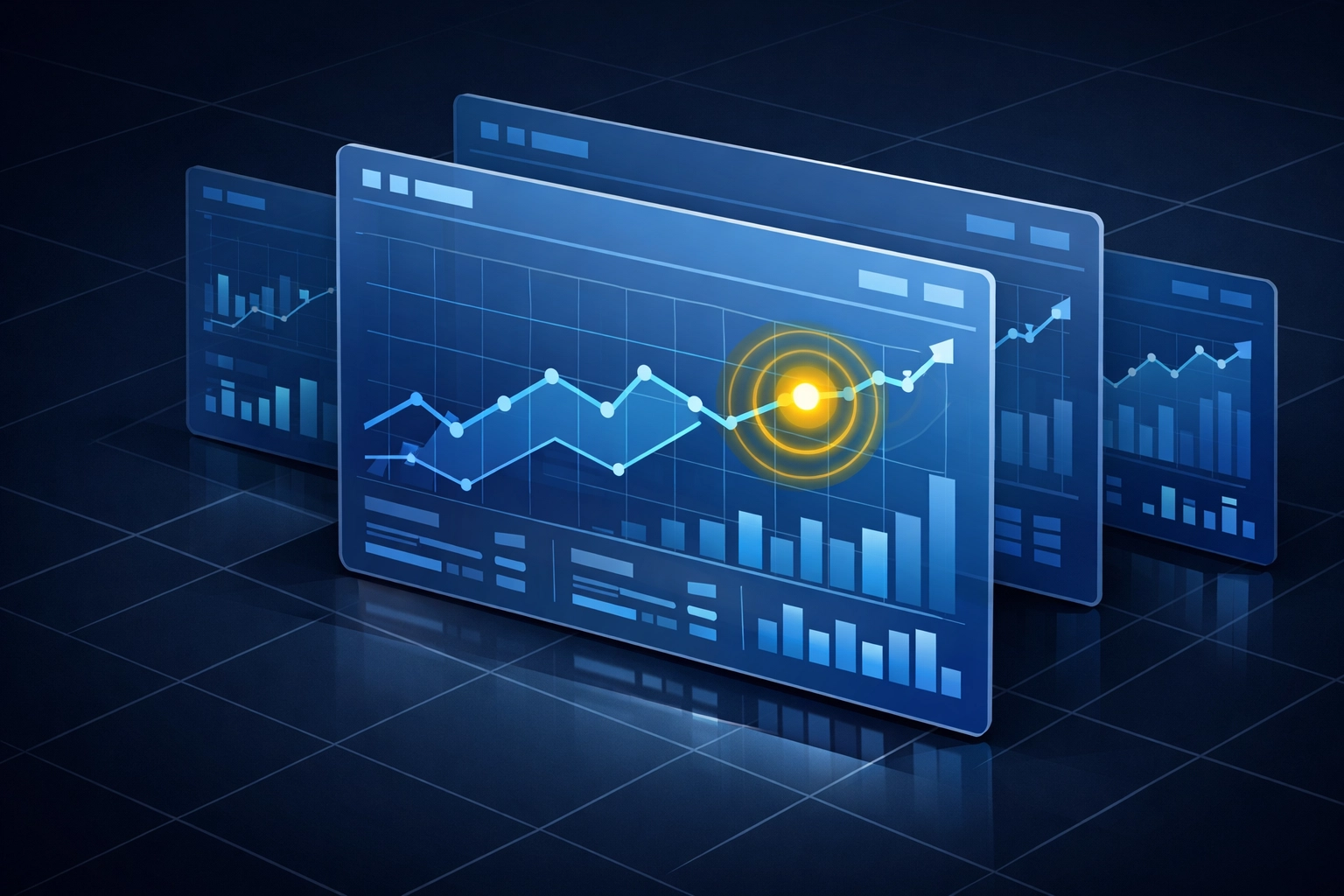
By analyzing these patterns in real-time, you can catch a broken checkout page or a high-performing ad campaign within minutes rather than days. For a deeper dive into how this fits into your broader digital strategy, check out our beginner's guide to mastering workplace automation.
3. Turning Meeting Transcripts into Actionable Intelligence
Meetings are essential for alignment, but they are often the graveyard of productivity. How much time does your team spend writing summaries or chasing down "who said what" after a call?
By employing AI meeting assistants, you can transcribe conversations in real-time. But the real hack isn't just the transcript: it's the structured summary. Modern AI tools can identify key decisions, assign tasks to specific team members, and even sync those tasks directly into your project management tool.
The Impact: This eliminates roughly 15 minutes of note-taking and 30 minutes of follow-up organization per meeting. If you have four meetings a day, that’s three hours of administrative work vanished.
4. The Email-to-Task Pipeline
Email remains the largest source of "hidden" work. A client asks for a report update via email, and if it isn’t manually added to a tracker, it gets lost. This creates massive gaps in your reporting accuracy.
A powerful hack involves connecting your inbox to an AI model that analyzes incoming messages for intent. When a message contains an actionable request, the AI extracts the requirements and automatically creates a formatted ticket in your project management system. This ensures that every request is tracked, measured, and eventually reported on without you ever having to hit "copy" and "paste."
5. Summarizing Long-Form Documents and Discussions
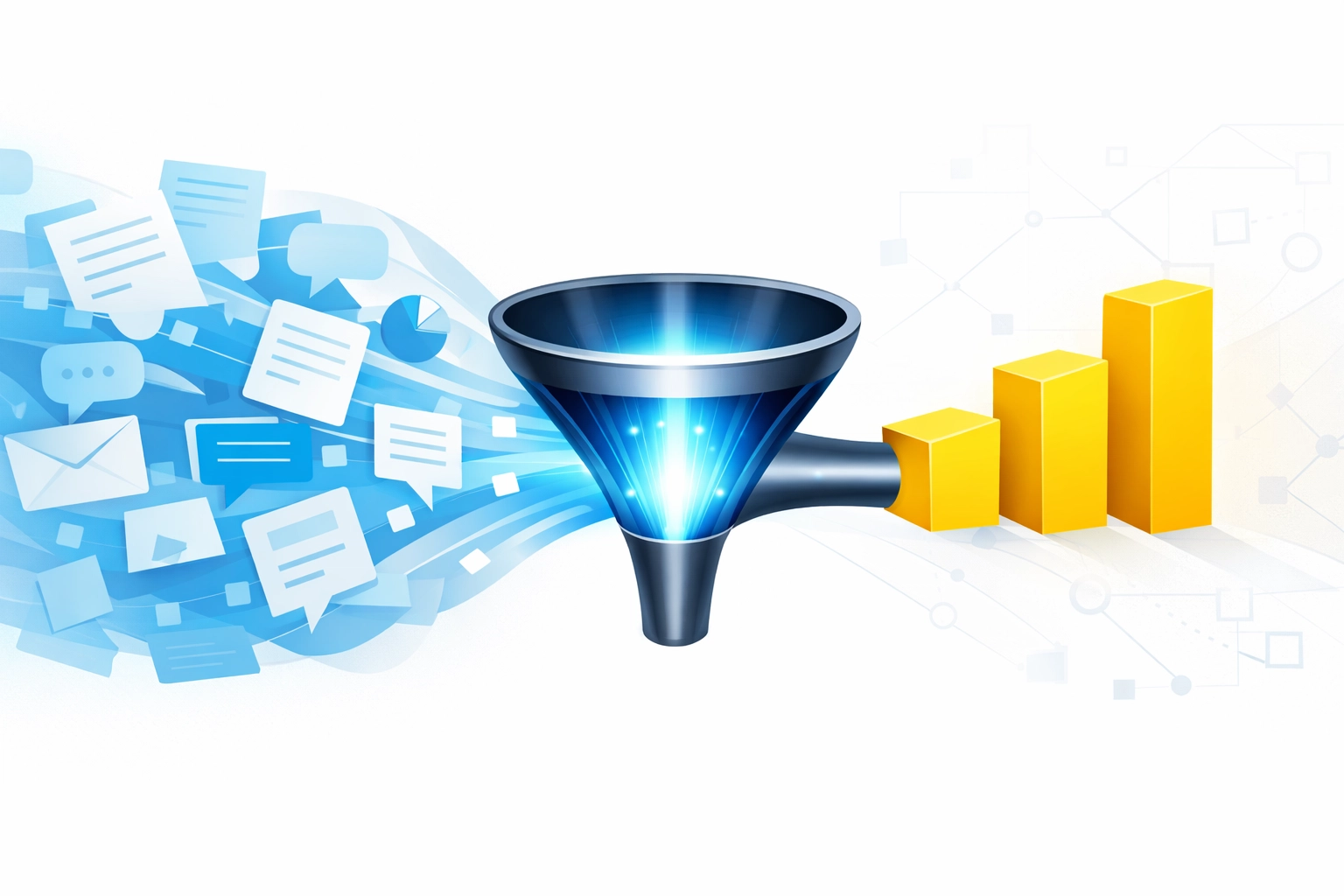
We live in an era of information overload. Whether it’s a 50-page industry whitepaper or a Slack thread with 200 messages, sifting through the noise to find the "bottom line" is a massive time sink.
Use AI document summarization to extract insights in digestible formats. If you need to stay updated on e-commerce benchmarks, you don't need to read every word. An AI agent can provide you with the top three takeaways and how they specifically impact your current KPIs. This enables faster insight generation and ensures your reporting includes the "why" behind the numbers, not just the "what."
6. Automating Financial and Cash Flow Projections
Financial reporting is often the most stressful part of running a small business. Manually tracking payments and reconciling invoices is prone to human error and consumes significant mental bandwidth.
AI systems can now automatically track payments, send follow-up reminders for overdue invoices, and update financial dashboards with real-time cash flow projections. This saves the average small business 5 to 10 hours monthly on accounts receivable management. If you are managing Google Ads, you know how complex billing can get; utilizing tools to track and reconcile billing is a perfect entry point for this type of automation.
7. Intelligent Customer Support Metric Integration
Customer service data is a goldmine for product development and marketing, yet it is rarely integrated into standard business reports because it’s "too messy."
AI customer service automation can handle routine inquiries, but more importantly, it categorizes support data automatically. By integrating these metrics, you can see real-time trends in customer sentiment or product issues. Research shows that AI can automate up to 80% of customer support tasks, providing you with a clean, automated feed of performance data that would otherwise require a full-time analyst to maintain.
Addressing Common Hurdles (Q&A)
Is it difficult to set up these integrations?
While it sounds complex, most of these hacks can be implemented using "no-code" platforms like Zapier or Make, which now have native AI features. You don't need to be a developer; you just need to understand your workflow.
Will AI reporting be as accurate as a human?
In many cases, it is more accurate because it eliminates the fatigue-related errors that come with manual data entry. However, we always recommend a "human-in-the-loop" approach where a person reviews the final AI-generated summary before it is sent to a client or stakeholder.
How do I know which data to automate first?
Start with the tasks you hate the most. If you dread the Monday morning "data pull," start there. For more inspiration, explore these 20 workflow hacks to find your starting point.

The Shift from Theory to Application
At VonClaro, we believe that the true power of AI isn't in its ability to write poetry or create art: it's in its ability to free humans from repetitive, soul-crushing tasks. The transition from manual reporting to AI-driven insights is essential for success in 2026.
By employing these seven hacks, you aren't just saving time; you are building a more resilient, data-informed organization. You are moving from a state of "working for your data" to a state where your "data works for you."
If you’re ready to stop wasting time on spreadsheets and start focusing on growth, our team at VonClaro is here to help you navigate the complexities of digital marketing automation. Whether you are looking for help with SEO tools that prove ROI or want to overhaul your entire reporting structure, the future is automated: and it starts today.
It's time to take back your Monday mornings. Which hack will you implement first?

